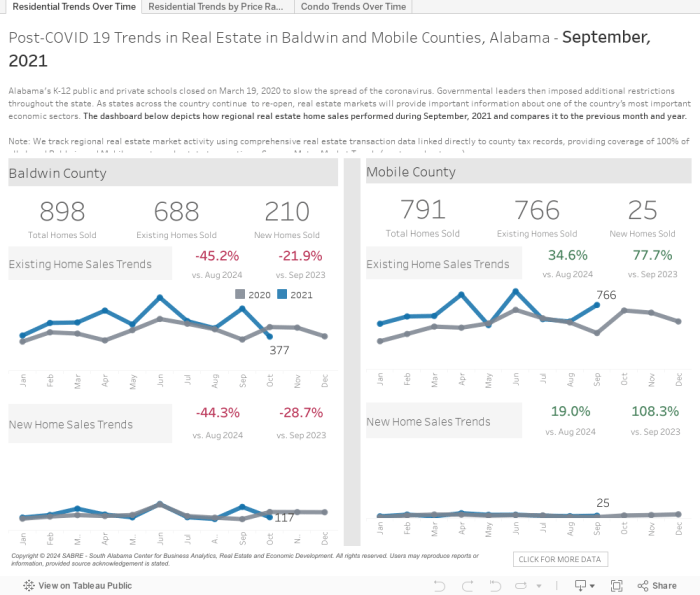
Embark on a journey through the evolving landscape of real estate trends post-COVID, delving into the shifting demands, remote work impacts, and the surge of virtual transactions.
Real Estate Trends Post-COVID

The real estate market has experienced significant shifts in trends due to the impact of the COVID-19 pandemic. As people adapt to the new normal, their preferences for urban and suburban properties, remote work arrangements, and virtual real estate transactions have evolved.
Shift in Demand for Urban vs. Suburban Properties
With the rise of remote work and the desire for more space, there has been a noticeable shift in demand for suburban properties over urban ones. Homebuyers are prioritizing larger homes with outdoor spaces, away from the density of city living. Suburbs are now becoming more attractive due to their affordability and amenities.
Impact of Remote Work on Housing Preferences
The increase in remote work opportunities has allowed individuals to reconsider their living arrangements. Many are opting to move away from urban centers to suburban or rural areas, seeking properties that accommodate home offices and provide a better work-life balance. This shift has influenced the types of properties in demand and the locations where individuals choose to reside.
Rise of Virtual Tours and Online Real Estate Transactions
Virtual tours and online real estate transactions have become essential tools in the post-COVID real estate market. With restrictions on in-person viewings and meetings, buyers and sellers have turned to virtual platforms to explore properties and conduct transactions. This trend is likely to continue as technology advances and offers more immersive virtual experiences.
Stylish Furniture
When it comes to furnishing your home, choosing stylish pieces that also serve a functional purpose is key. The right furniture can enhance the overall look and feel of your space while providing comfort and convenience. Here are some tips on selecting stylish and practical furniture, exploring the latest trends in furniture design and decor, and ideas on mixing and matching different styles for a cohesive look.
Tips for Choosing Stylish and Functional Furniture
- Consider the size and layout of your space before purchasing furniture to ensure it fits well and allows for easy movement.
- Opt for furniture pieces with clean lines and timeless designs that can easily be incorporated into different decor styles.
- Choose quality materials and construction for durability and longevity.
- Balance style and function by selecting multi-purpose furniture pieces such as storage ottomans or convertible sofa beds.
Latest Trends in Furniture Design and Decor
- Minimalist and Scandinavian-inspired furniture designs continue to be popular for their simplicity and versatility.
- Natural materials like wood, rattan, and bamboo are making a comeback, adding warmth and texture to modern interiors.
- Mixing vintage and contemporary furniture pieces creates an eclectic look that is both stylish and unique.
- Statement pieces like bold-colored sofas or unique lighting fixtures can add a pop of personality to your space.
Mixing and Matching Different Furniture Styles
- Start with a neutral base and add pops of color or texture with accent furniture pieces like chairs, rugs, or artwork.
- Combine different materials such as metal, glass, and leather to create visual interest and depth in your decor.
- Don’t be afraid to experiment with mixing modern and traditional furniture styles for a curated and eclectic look.
- Use a cohesive color palette throughout your space to tie together different furniture styles and create a harmonious atmosphere.
Real Assets
Real assets are physical assets that have intrinsic value, such as real estate, infrastructure, and commodities. These assets are tangible and can provide diversification in an investment portfolio.
Types of Real Assets
- Real Estate: Real estate includes residential, commercial, and industrial properties. Investing in real estate can provide rental income and potential appreciation in value over time.
- Infrastructure: Infrastructure assets include transportation, energy, and utility assets. These investments can offer stable cash flows and long-term growth potential.
- Commodities: Commodities are raw materials or primary agricultural products that can be traded, such as gold, oil, and wheat. Investing in commodities can provide a hedge against inflation and currency devaluation.
Importance in Investment Portfolios
Real assets can act as a hedge against inflation and market volatility because their values are not solely dependent on the performance of financial markets. They have the potential to retain their value or even appreciate during times of economic uncertainty. Including real assets in an investment portfolio can help reduce overall risk and provide stability.
Real Estate
Since the onset of the COVID-19 pandemic, the real estate market has experienced significant shifts and adaptations. As restrictions ease and vaccination rates increase, the market has shown signs of recovery but continues to be influenced by various factors.
Current State of the Real Estate Market Post-COVID
The real estate market post-COVID is characterized by a mix of challenges and opportunities. While demand for housing remains strong in many areas, supply chain disruptions and labor shortages have impacted construction timelines and inventory levels. Additionally, remote work trends have led to a reevaluation of housing preferences, with a growing interest in suburban and rural properties.
Factors Influencing Property Prices and Market Trends
- The impact of interest rates: Low mortgage rates have incentivized buyers, driving up demand and prices in many markets.
- Economic conditions: Uncertainty surrounding the economy, job market, and inflation rates can affect buyer confidence and overall market stability.
- Housing supply: Limited inventory levels have contributed to competitive bidding wars and rising property prices in certain regions.
Insights on Buying, Selling, or Renting Real Estate in the Current Market
- Buyers: It is essential for buyers to be prepared to act quickly and make strong offers in a competitive market. Working with a real estate agent can help navigate the complexities of the buying process.
- Sellers: Sellers may benefit from listing their properties in a seller’s market to maximize their returns. Proper staging and pricing strategies can attract potential buyers and lead to a successful sale.
- Renters: Renters should carefully consider lease terms and rental rates, as market conditions may impact rental prices and availability. Exploring different neighborhoods and property types can help find the best rental option.
Renovation Tips
When it comes to renovating your home, there are plenty of budget-friendly ideas that can give your space a fresh new look without breaking the bank. In the current market, it’s important to consider the return on investment (ROI) of your renovation projects. Additionally, incorporating sustainable and eco-friendly practices into your renovations can not only benefit the environment but also add value to your property.
Budget-Friendly Renovation Ideas
- Painting: A fresh coat of paint can completely transform a room and is a cost-effective way to update your space.
- Updating fixtures: Swapping out old light fixtures, faucets, and cabinet hardware can give your home a modern feel without a hefty price tag.
- DIY projects: Consider taking on DIY projects such as installing shelving, refinishing furniture, or creating accent walls to add personality to your home.
ROI of Renovation Projects
- Kitchen remodel: Upgrading your kitchen can have a high ROI as it is often considered the heart of the home and can significantly increase property value.
- Bathroom renovation: Renovating bathrooms can also yield a good ROI, especially if you focus on updating fixtures, tiles, and improving functionality.
- Curb appeal: Improving the exterior of your home, such as landscaping, painting the front door, or adding a new garage door, can boost curb appeal and increase your home’s value.
Sustainable and Eco-Friendly Practices
- Energy-efficient appliances: Investing in energy-efficient appliances can not only reduce your carbon footprint but also save you money on utility bills in the long run.
- Recycled materials: Using recycled materials for flooring, countertops, or furniture can add a unique touch to your home while reducing waste.
- Water-saving fixtures: Installing water-saving fixtures like low-flow toilets and faucets can help conserve water and lower your water bills.
In conclusion, the real estate sector is adapting to unprecedented changes, offering new opportunities and challenges in a dynamic market environment.
Frequently Asked Questions
What are the key differences in demand between urban and suburban properties post-COVID?
Post-COVID, there has been a noticeable shift towards suburban properties due to increased desire for space and remote work flexibility.
How has remote work influenced housing preferences in the current market?
Remote work has led to a growing interest in homes with dedicated office spaces and outdoor amenities to accommodate work-from-home needs.
What role do virtual tours play in the modern real estate landscape?
Virtual tours have become essential for property viewings, offering a safe and convenient way for buyers to explore homes remotely.


