
Embark on a journey through the world of real estate development projects, where we explore the stages, market research importance, and key factors shaping this dynamic industry.
Real Estate Development Projects
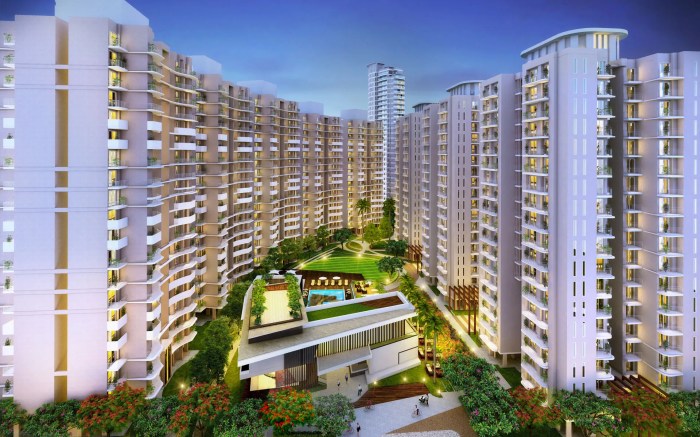
Real estate development projects involve multiple stages that are crucial for the successful completion of a project. These stages typically include land acquisition, feasibility studies, design and planning, obtaining permits and approvals, construction, marketing, and sales or leasing.
Importance of Market Research
Market research plays a vital role in planning real estate development projects as it helps developers understand current market trends, demand for specific types of properties, pricing strategies, and competition in the area. By conducting thorough market research, developers can make informed decisions regarding the type of project to pursue, target market, and pricing strategy, ultimately increasing the chances of project success.
Key Factors in Selecting a Location
When selecting a location for a real estate development project, several key factors should be considered to ensure the project’s success. These factors include proximity to amenities such as schools, shopping centers, and public transportation, demographic trends in the area, zoning regulations, competition, and potential for future growth and appreciation. Additionally, developers should assess the infrastructure and accessibility of the location, as well as any environmental considerations that may impact the project.
Stylish Furniture
When it comes to real estate development projects, choosing the right furniture is crucial in creating a stylish and cohesive look. Here are some tips on selecting stylish furniture for your project and staying up-to-date with the latest trends.
Choosing Stylish Furniture
- Consider the overall theme and style of the property to ensure the furniture complements the design aesthetic.
- Opt for high-quality pieces that are timeless and durable, rather than following fleeting trends.
- Mix different textures, materials, and colors to add visual interest and depth to the space.
- Invest in statement pieces that serve as focal points in each room, while keeping the rest of the furniture more understated.
Latest Trends in Stylish Furniture
- Minimalist designs with clean lines and neutral colors are currently on-trend for modern real estate developments.
- Biophilic design, incorporating natural elements like wood and plants, is gaining popularity for its calming and sustainable effects.
- Multi-functional furniture pieces that maximize space and storage are highly sought after in smaller properties or urban settings.
- Bold and eclectic furniture styles, such as mixing vintage pieces with contemporary ones, are making a comeback for a unique and personalized look.
Mixing and Matching Furniture Styles
- Start by choosing a cohesive color palette to tie together different furniture pieces in a room.
- Balance different styles by focusing on a common element, such as shape or texture, to create harmony in the space.
- Experiment with layering different furniture styles, like pairing a modern sofa with a vintage rug, to add character and depth to the room.
- Don’t be afraid to mix metals, woods, and fabrics for a more eclectic and curated look that reflects your personal style.
Real Assets
Real assets are physical assets that hold tangible value and can be utilized in real estate development projects to generate income or enhance the overall value of the property. These assets play a crucial role in the development process and are essential for the success of any real estate project.
Tangible vs. Intangible Real Assets
- Tangible real assets: These are physical assets that can be seen and touched, such as land, buildings, furniture, and fixtures. They have a direct impact on the property’s value and are essential for its functionality and aesthetics.
- Intangible real assets: These are assets that do not have a physical presence but still add value to the property, such as intellectual property rights, brand recognition, and goodwill. While intangible assets may not be visible, they contribute significantly to the overall value of the real estate development project.
Role of Real Assets in Adding Value
Real assets play a critical role in adding value to a real estate development project by enhancing its attractiveness, functionality, and profitability. Tangible assets like high-quality construction materials and stylish furniture can increase the property’s market value and appeal to potential buyers or tenants. On the other hand, intangible assets such as a well-known brand or a unique selling proposition can differentiate the property from competitors and create a competitive advantage in the market.
Overall, real assets are essential components that contribute to the success and sustainability of real estate development projects.
Renovation Tips
When it comes to upgrading an existing property, effective renovation tips can make a big difference in enhancing the overall value and appeal of the real estate development project. Not only can renovations attract more potential buyers or tenants, but they can also increase the property’s resale value. Here are some budget-friendly renovation tips and the importance of sustainable practices in modern real estate development:
Budget-Friendly Renovation Tips
- Focus on cosmetic changes such as fresh paint, new fixtures, and updated hardware to give the property a modern look without breaking the bank.
- Rather than replacing cabinets or countertops, consider refinishing or painting them to give them a fresh appearance at a fraction of the cost.
- Maximize space by decluttering and rearranging furniture to create a more open and inviting atmosphere.
- Consider DIY projects for simple upgrades like installing new lighting fixtures or updating the landscaping to improve curb appeal.
Importance of Sustainable Renovation Practices
Implementing sustainable and eco-friendly renovation practices is not only beneficial for the environment but can also attract environmentally-conscious buyers or tenants. By using energy-efficient appliances, eco-friendly materials, and water-saving fixtures, real estate developers can reduce the property’s carbon footprint and operating costs in the long run. Additionally, sustainable renovations can enhance the overall quality of life for occupants by creating healthier and more comfortable living spaces.
In conclusion, real estate development projects offer a blend of creativity and strategy, with a focus on adding value through innovative ideas and sustainable practices. Dive into this exciting realm and unleash your potential in the realm of real estate development.
Expert Answers
What are the key stages involved in a real estate development project?
The key stages include planning, design, approval, construction, and marketing.
How does market research impact real estate development projects?
Market research helps in understanding the demand, trends, and competition in the market, shaping project decisions.
What are some budget-friendly renovation tips for real estate development projects?
Consider painting, upgrading fixtures, and focusing on high-impact areas to renovate cost-effectively.


