Delving into the realm of Real Assets vs Stocks, this introductory paragraph aims to pique the interest of readers with a brief yet informative overview of the topic.
Exploring the differences and similarities between these two investment avenues can shed light on the pros and cons of each, guiding investors in making informed decisions.
Real Assets vs Stocks

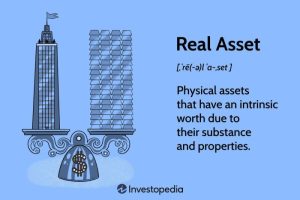
Real assets and stocks are two common types of investments that individuals can consider when building their investment portfolios. Real assets typically refer to physical assets such as real estate, precious metals, commodities, and infrastructure. On the other hand, stocks represent ownership in a company and are traded on the stock market.
Potential Returns
When comparing the potential returns of real assets and stocks, it is essential to consider that real assets tend to provide more stable and predictable returns over the long term. Real estate, for example, can generate rental income and appreciate in value over time. On the other hand, stocks have the potential for higher returns but come with greater volatility and risk due to market fluctuations.
Benefits of Investing
Investing in real assets offers benefits such as diversification, inflation protection, and tangible value. Real assets like real estate can provide a hedge against inflation and offer a tangible asset that can be utilized or rented out for income. Stocks, on the other hand, provide liquidity, ease of buying and selling, and the potential for higher returns through capital appreciation and dividends.
Risks Associated
Both real assets and stocks come with their own set of risks. Real assets are subject to market fluctuations, changes in demand, and potential maintenance costs. Investing in real estate, for instance, can be affected by economic conditions and location-specific factors. Stocks, on the other hand, are influenced by market sentiment, company performance, and economic indicators, making them susceptible to volatility and market risks.
Stylish Furniture
When it comes to selecting stylish furniture for different spaces, it’s essential to consider the overall aesthetic you want to achieve, as well as the functionality of the pieces. Whether you’re looking to create a modern, minimalist look or a cozy, rustic vibe, choosing the right furniture can make a significant impact on the overall design of a room.
Stylish furniture trends are constantly evolving, but some of the latest designs focus on clean lines, natural materials, and a mix of textures. From mid-century modern to industrial chic, there are plenty of options to choose from to suit your personal style and preferences.
Materials Used in Stylish Furniture
- Wood: Wood is a classic choice for stylish furniture due to its durability and timeless appeal. Whether it’s oak, walnut, or teak, wooden furniture adds warmth and character to any space.
- Metal: Metal furniture, such as steel or iron, can bring an industrial edge to a room. These pieces are often sleek and modern, perfect for a contemporary look.
- Leather: Leather furniture exudes luxury and sophistication. From sofas to chairs, leather pieces can elevate the elegance of a room.
- Glass: Glass furniture can create a sense of openness and lightness in a space. Glass tables or shelves can make a room feel more spacious and airy.
Real Estate
Investing in real estate properties comes with various advantages that make it a popular choice for many investors. One of the key benefits is the potential for long-term appreciation in value, allowing investors to build wealth over time. Real estate also provides a reliable source of passive income through rental payments, which can offer a steady cash flow. Additionally, real estate investments can serve as a hedge against inflation, as property values tend to increase with rising prices.
Types of Real Estate Investments
- Residential Properties: This includes single-family homes, condominiums, and apartments that are rented out to tenants.
- Commercial Properties: These properties are used for business purposes, such as office buildings, retail spaces, and warehouses.
- Industrial Properties: These properties are used for manufacturing, production, storage, and distribution of goods.
- Vacation Rentals: Properties that are rented out to vacationers for short-term stays, such as Airbnb rentals.
Tips for Evaluating Real Estate Investments
- Location: Consider the neighborhood, proximity to amenities, schools, transportation, and future development plans.
- Rental Income: Evaluate the rental potential of the property based on market rates and demand in the area.
- Property Condition: Assess the physical condition of the property, including any repairs or renovations needed.
- Market Trends: Research the local real estate market to understand trends in property values and rental rates.
Impact of Location on Real Estate Value
Location plays a crucial role in determining the value of a real estate property. Properties in desirable neighborhoods with good schools, low crime rates, and easy access to amenities tend to have higher values. Proximity to transportation hubs, business districts, and recreational areas can also positively impact property value. On the other hand, properties in less desirable locations may struggle to attract tenants or buyers, leading to lower values and returns on investment.
Renovation Tips
Renovating a property can be a great way to add value and improve the overall appeal of your home. However, it’s important to approach renovation projects with careful planning and cost-effective strategies in mind. Here are some tips to help homeowners make the most out of their renovation projects:
Cost-effective Renovation Tips
- Consider repainting walls and cabinets instead of replacing them entirely to freshen up the look of a room at a lower cost.
- Shop for discounted materials and fixtures at local home improvement stores or online to save money on renovation expenses.
- Focus on high-impact areas such as the kitchen and bathrooms to maximize the return on investment when renovating.
Importance of Planning Before Starting a Renovation Project
Proper planning is crucial before embarking on a renovation project to ensure that the process runs smoothly and stays within budget. By outlining your goals, setting a realistic timeline, and creating a detailed budget, you can avoid costly mistakes and unexpected issues along the way.
Renovation Projects that Add Value to a Property
- Upgrading the kitchen with modern appliances and stylish finishes can significantly increase the value of a home.
- Adding an extra bathroom or converting a basement into a living space can appeal to potential buyers and boost the property’s worth.
- Enhancing curb appeal with landscaping, fresh paint, and new siding can make a lasting impression and improve the overall value of the property.
Incorporating Sustainable Practices in Renovation Projects
- Opt for energy-efficient appliances and fixtures to reduce utility costs and minimize the environmental impact of your renovation.
- Use eco-friendly materials such as bamboo flooring, recycled glass countertops, and low VOC paints to create a healthier living environment for occupants.
- Consider installing solar panels or a rainwater harvesting system to further enhance the sustainability of your property and reduce reliance on traditional energy sources.
In conclusion, the discussion on Real Assets vs Stocks highlights the importance of understanding the nuances of each option to maximize investment potential and mitigate risks.
FAQ Compilation
What are real assets?
Real assets are tangible assets such as real estate, commodities, and infrastructure that have inherent value.
What are stocks?
Stocks represent ownership in a company and are traded on the stock market.
Which typically offers higher returns, real assets or stocks?
Stocks historically have higher potential returns but come with higher risks compared to real assets.
What are some benefits of investing in real assets over stocks?
Real assets can provide diversification, protection against inflation, and stable income streams.
What are the risks associated with investing in real assets and stocks?
Risks include market volatility, economic factors, and specific risks related to each asset class.