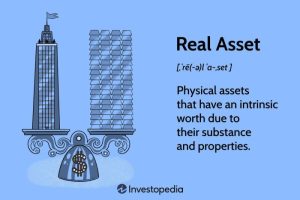
Embark on a journey into the world of Real Asset Investment Funds, where tangible assets reign supreme in generating lucrative returns for investors. This captivating exploration delves into the realm of real assets and their compelling advantages over traditional investment avenues.
Discover the intrinsic value of investing in real assets, explore examples of these tangible investments, and unravel the secrets to diversifying your portfolio effectively.
Real Asset Investment Funds
Real asset investment funds are investment vehicles that focus on investing in physical assets such as real estate, infrastructure, natural resources, and commodities. These funds provide investors with the opportunity to diversify their portfolios and potentially benefit from the income and capital appreciation generated by these tangible assets.
Examples of Real Assets
- Real Estate: Residential, commercial, and industrial properties.
- Infrastructure: Toll roads, airports, bridges, and utilities.
- Natural Resources: Timberland, farmland, and mineral rights.
- Commodities: Precious metals, energy resources, and agricultural products.
Benefits of Investing in Real Asset Investment Funds
- Diversification: Real assets have a low correlation with traditional financial assets, providing diversification benefits to a portfolio.
- Inflation Hedge: Real assets tend to perform well in inflationary environments, helping investors preserve purchasing power.
- Income Generation: Many real assets generate regular income streams through rent, royalties, or dividends, providing investors with consistent cash flow.
- Potential for Capital Appreciation: Real assets have the potential to appreciate in value over time, offering capital gains to investors.
Stylish Furniture

When it comes to selecting stylish furniture for different spaces, there are a few key tips to keep in mind. It’s important to consider the overall aesthetic you want to achieve, the size and layout of the room, as well as the functionality of the furniture. Mixing and matching different furniture styles can create a unique and cohesive look that reflects your personal taste and style.
Latest Trends in Stylish Furniture Designs
When it comes to the latest trends in stylish furniture designs, minimalism and sustainability are at the forefront. Clean lines, neutral colors, and natural materials like wood and metal are popular choices for modern furniture. Incorporating elements of nature, such as indoor plants or botanical prints, can also add a fresh and organic feel to your space.
Tips for Mixing and Matching Furniture Styles
- Start with a focal point: Choose one piece of furniture or decor item that serves as the focal point of the room and build around it.
- Consider the scale and proportion: Make sure that the furniture pieces you choose are proportionate to the size of the room and each other.
- Stick to a color palette: Select a color palette that ties all the furniture styles together, whether it’s through coordinating colors or complementary hues.
- Mix textures and materials: Incorporate a variety of textures and materials to add depth and visual interest to the space.
- Add personal touches: Don’t be afraid to incorporate personal items or vintage finds to infuse your unique personality into the space.
Real Assets
Real assets are tangible assets such as real estate, commodities, natural resources, and infrastructure that have intrinsic value and can generate income or appreciate over time. These assets are important in investment portfolios as they provide diversification, inflation protection, and potential long-term growth.
Comparison with Financial Assets
Real assets differ from financial assets, such as stocks and bonds, in that they have a physical presence and inherent value. While financial assets are based on contractual claims or ownership rights, real assets are tied to physical assets with intrinsic worth. Real assets also tend to have lower correlation to traditional financial markets, making them valuable for portfolio diversification.
Role in Diversifying Investment Portfolios
Real assets play a crucial role in diversifying investment portfolios by providing a hedge against inflation and economic downturns. Investing in real assets can help reduce overall portfolio risk and enhance returns by adding an element of stability and tangible value. By including real assets in a diversified portfolio, investors can potentially improve risk-adjusted returns and protect against market volatility.
Real Estate
Investing in real estate offers numerous benefits as a tangible asset. Real estate has the potential for appreciation over time, providing a hedge against inflation. Additionally, rental income from real estate properties can generate a steady cash flow, offering a passive income stream for investors. Real estate also provides diversification to an investment portfolio, reducing overall risk by spreading investments across different asset classes.
Strategies for Investing in Real Estate
- One common strategy for investing in real estate is purchasing rental properties. By renting out the property, investors can generate monthly rental income and build equity over time through property appreciation.
- Another strategy is flipping houses, where investors purchase properties below market value, renovate them, and sell them for a profit. This strategy requires a good eye for potential in properties and knowledge of the local real estate market.
Risks Associated with Real Estate Investments
- Market Risk: Real estate markets can be cyclical, and property values can fluctuate based on economic conditions. Mitigate this risk by investing in diverse locations and property types.
- Liquidity Risk: Real estate investments are not as liquid as stocks or bonds, as selling a property can take time. Ensure you have enough cash reserves for emergencies or unexpected expenses.
- Operational Risk: Managing rental properties or renovation projects comes with its own set of challenges. Make sure to conduct thorough due diligence and have a solid plan in place to mitigate operational risks.
Renovation Tips
When it comes to increasing the value of a property, renovations play a crucial role. Not only can renovations enhance the aesthetic appeal of a home, but they can also significantly impact its resale value. Here are some renovation tips to consider:
Focus on Kitchen and Bathroom Upgrades
Kitchen and bathroom upgrades are known to have a high return on investment. Consider updating cabinets, countertops, fixtures, and appliances to give these spaces a modern look. A fresh coat of paint and new hardware can also make a big difference.
Enhance Curb Appeal
First impressions matter, so investing in the exterior of your property is essential. Simple tasks like landscaping, painting the front door, and adding outdoor lighting can instantly boost curb appeal. Consider updating the garage door or adding a new pathway for a more inviting look.
Maximize Natural Light
Natural light can make a space feel larger, brighter, and more welcoming. Consider adding windows or skylights to bring in more natural light. You can also use mirrors strategically to reflect light and create the illusion of a bigger space.
Focus on Energy Efficiency
Energy-efficient upgrades not only reduce utility costs but also appeal to environmentally-conscious buyers. Consider installing energy-efficient windows, LED lighting, smart thermostats, and improving insulation to make your property more energy-efficient.
Update Flooring
Flooring can have a significant impact on the overall look and feel of a property. Consider replacing old carpet with hardwood floors or modern tiles. Quality flooring not only enhances the aesthetics but also adds value to the property.
Keep it Neutral
When renovating for resale, it’s essential to keep the design neutral and appealing to a wide range of buyers. Opt for neutral paint colors, timeless finishes, and versatile design elements that can easily be personalized by the new owners.
In conclusion, Real Asset Investment Funds offer a unique opportunity to grow wealth through physical assets, providing stability and growth potential in ever-changing market landscapes. Take the plunge into the realm of real assets and unlock the door to a more secure financial future.
User Queries
What are real asset investment funds?
Real asset investment funds are investment vehicles that focus on tangible assets like real estate, commodities, and infrastructure to generate returns for investors.
How do real assets differ from financial assets?
Real assets are physical assets like property or machinery, while financial assets are intangible assets like stocks or bonds, offering different risk-return profiles.
Why should I consider investing in real asset investment funds?
Investing in real asset funds provides diversification, inflation protection, and the potential for long-term growth through exposure to tangible assets.