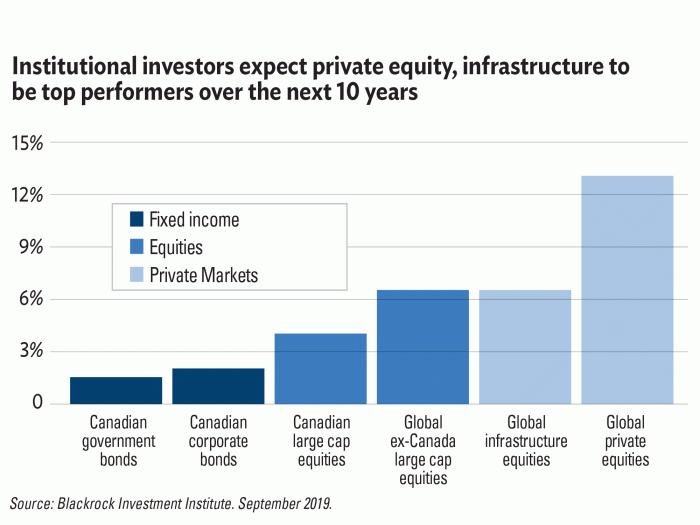
Private Equity in Real Assets sets the stage for this enthralling narrative, offering readers a glimpse into a story that is rich in detail and brimming with originality. From defining private equity in real assets to exploring renovation tips, this comprehensive guide delves into the nuances of investment in the real estate sector.
Private Equity in Real Assets
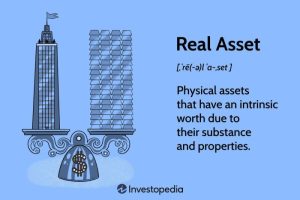
Private equity in real assets refers to investments in tangible assets such as real estate, infrastructure, natural resources, and commodities. These investments provide exposure to physical assets that have the potential for long-term appreciation and income generation. Incorporating private equity in real assets into investment portfolios can help diversify risk and enhance returns.
Significance in Investment Portfolios
Private equity in real assets plays a crucial role in enhancing portfolio diversification by offering exposure to assets that have low correlation with traditional stocks and bonds. These investments can provide stable income streams, inflation protection, and potential capital appreciation over the long term.
Differences from Traditional Private Equity
Unlike traditional private equity investments that focus on ownership stakes in private companies, private equity in real assets involves investments in physical assets with intrinsic value. Real assets tend to have lower volatility compared to equity investments in public markets, offering a more stable and predictable income stream.
Advantages and Risks
- Advantages:
- Income Generation: Real assets can generate steady income through rent payments, dividends, or royalty streams.
- Inflation Hedge: Real assets tend to perform well during inflationary periods, preserving purchasing power.
- Diversification: Investing in real assets can help mitigate risk by adding assets with different return drivers to a portfolio.
- Risks:
- Illiquidity: Real assets are often illiquid investments, making it challenging to sell them quickly in times of need.
- Market Risk: Fluctuations in real estate and commodity markets can impact the value of investments in real assets.
- Operational Risks: Managing real assets requires expertise and resources to ensure optimal performance and returns.
Stylish Furniture
When it comes to real estate properties, selecting stylish furniture can make a significant impact on the overall aesthetic appeal and value of the property. Here are some tips on choosing the right furniture to enhance the look and feel of your real estate investment.
Matching Furniture Styles with Real Estate Aesthetics
It is essential to match the furniture styles with the aesthetics of the real estate property to create a cohesive and harmonious look. Consider the architectural style, color scheme, and overall theme of the property when selecting furniture pieces. For instance, if you have a modern and minimalist property, opt for sleek and contemporary furniture to complement the design.
Incorporating Trendy Furniture Pieces
Integrating trendy furniture pieces can help elevate the property’s value and attract potential buyers or tenants. Stay updated on the latest interior design trends and incorporate stylish pieces such as statement chairs, unique lighting fixtures, or artisanal coffee tables. Adding these trendy elements can give your property a fresh and modern appeal, making it stand out in the market.
Real Assets
Real assets are tangible assets such as real estate, infrastructure, and commodities that have intrinsic value. They play a crucial role in diversifying investment portfolios by providing a hedge against inflation and offering stable returns over the long term.
Comparison of Real Assets to Financial Assets
Real assets differ from financial assets like stocks and bonds in terms of risk and return. While financial assets are subject to market volatility and economic conditions, real assets tend to be more stable and provide a steady income stream. Additionally, real assets have a lower correlation to traditional financial assets, making them an attractive option for diversification.
Inflation Protection Provided by Real Assets
Real assets like real estate, infrastructure, and commodities are known for providing inflation protection. As the prices of goods and services increase, the value of real assets also tends to rise, thereby preserving purchasing power. This makes real assets a valuable addition to an investment portfolio, especially during times of rising inflation.
Real Estate
Real estate is a significant sector within private equity investments, offering a range of opportunities for investors to diversify their portfolios and generate attractive returns.
Types of Real Estate Investments
- Residential Real Estate: Investments in single-family homes, apartments, condos, or townhouses.
- Commercial Real Estate: Includes office buildings, retail spaces, industrial properties, and hotels.
- Real Estate Development: Involves investing in land development projects, construction of new properties, or renovation of existing ones.
Factors Influencing Real Estate Performance
- Location: The desirability and growth potential of the location can greatly impact the value of real estate investments.
- Market Conditions: Economic trends, interest rates, and supply-demand dynamics play a crucial role in real estate performance.
- Property Management: Effective management of properties can enhance their value and generate higher returns.
Strategies for Maximizing Returns in Real Estate Private Equity
- Diversification: Spread investments across different types of real estate to reduce risk.
- Active Management: Implement strategies to increase property value through renovations, rebranding, or operational improvements.
- Long-Term Perspective: Real estate investments often benefit from a long-term holding period to capture appreciation and rental income.
Renovation Tips
Renovating real estate properties can significantly increase their value and appeal to potential buyers or renters. It is essential to carefully plan and execute renovations to maximize the impact on the overall valuation and marketability of the asset.
Cost-Effective Renovation Ideas
- Painting: A fresh coat of paint can instantly refresh the look of a property and make it more attractive. Choose neutral colors to appeal to a wider audience.
- Kitchen Upgrades: Updating kitchen cabinets, countertops, and appliances can modernize the space and add value to the property.
- Bathroom Improvements: Renovating bathrooms with new fixtures, tiles, and lighting can make a big difference in the perceived value of a property.
- Curb Appeal: Enhancing the exterior of the property with landscaping, fresh paint, and new lighting can create a positive first impression.
Impact of Renovations on Valuation
Renovations can have a significant impact on the overall valuation of real estate assets. By improving the condition and aesthetics of a property, renovations can increase its market value and attract more potential buyers or tenants. It is important to strike a balance between cost and potential return on investment when planning renovations to ensure maximum profitability.
In conclusion, Private Equity in Real Assets presents a compelling case for savvy investors looking to optimize their portfolios. By understanding the significance, risks, and advantages associated with this investment avenue, individuals can make informed decisions to enhance their financial growth and stability.
Essential FAQs
What distinguishes private equity in real assets from traditional private equity investments?
Private equity in real assets involves investments in tangible assets like real estate, infrastructure, and commodities, providing inherent value and potential for long-term growth, unlike traditional private equity focused on companies.
How do renovations impact the overall valuation of real estate assets?
Renovations can significantly increase the value and marketability of real estate properties by enhancing their aesthetics, functionality, and overall appeal to potential buyers or tenants.