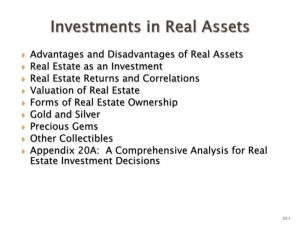
Embark on a journey exploring the differences between real assets and bonds, delving into returns, risks, and liquidity in the realm of investments.
Discover the intricacies of these two investment avenues and how they shape the financial landscape for investors.
Real Assets vs Bonds
Real assets and bonds are two different types of investments that offer varying benefits and risks to investors. Real assets typically include physical properties such as real estate, commodities, and infrastructure, while bonds are debt securities issued by governments or corporations.
Comparison of Returns on Investment
When it comes to returns on investment, real assets tend to offer higher potential returns compared to bonds. Real assets have the potential for capital appreciation, rental income, and other income streams, which can result in higher overall returns. On the other hand, bonds usually provide fixed interest payments over a specified period, offering more predictable but lower returns.
Risk Factors
Investing in real assets comes with higher risk compared to bonds. Real assets are subject to market fluctuations, changes in economic conditions, and potential physical damage. Bonds, on the other hand, are considered safer investments as they are backed by the issuer’s ability to repay the debt. However, bond investments are still subject to credit risk and interest rate risk.
Liquidity Aspect
Real assets are generally less liquid compared to bonds. Selling real assets such as real estate or infrastructure can take time and may involve additional costs. On the other hand, bonds are more liquid investments that can be easily bought and sold in the secondary market. This liquidity aspect of bonds makes them a more attractive option for investors who require quick access to their funds.
Stylish Furniture
When it comes to selecting stylish furniture for different spaces in a home, there are several key factors to consider. From the latest trends in design to the importance of quality and durability, making the right choices can truly elevate the look and feel of your living space.When choosing stylish furniture, it’s essential to keep in mind the overall aesthetic you want to achieve in each room.
Whether you prefer a modern, minimalist look or a more traditional and cozy feel, selecting pieces that complement the style you’re going for is crucial.
Tips for Selecting Stylish Furniture
- Consider the size and layout of the room to ensure the furniture fits proportionally.
- Look for pieces with unique design elements or interesting textures to add visual interest.
- Mix and match different styles, such as combining vintage and contemporary pieces, for a personalized touch.
- Opt for furniture made from high-quality materials to ensure durability and longevity.
Latest Trends in Stylish Furniture Design
- Minimalist designs with clean lines and neutral colors are currently popular in modern furniture.
- Natural materials like wood, rattan, and leather are making a comeback for a more organic and earthy look.
- Mixed metal finishes, such as brass and black steel, are being used to add a touch of sophistication to furniture pieces.
Mixing and Matching Furniture Styles
- Choose a cohesive color palette to tie different furniture pieces together in a room.
- Balance different styles by incorporating a variety of textures and shapes for visual interest.
- Consider the scale of each piece to ensure they complement each other without overwhelming the space.
Importance of Quality and Durability
- Investing in high-quality furniture ensures longevity and reduces the need for frequent replacements.
- Durable materials like solid wood, metal, and high-quality upholstery can withstand everyday use and last for years to come.
- Quality furniture not only looks better but also feels more comfortable and adds value to your home.
Real Estate
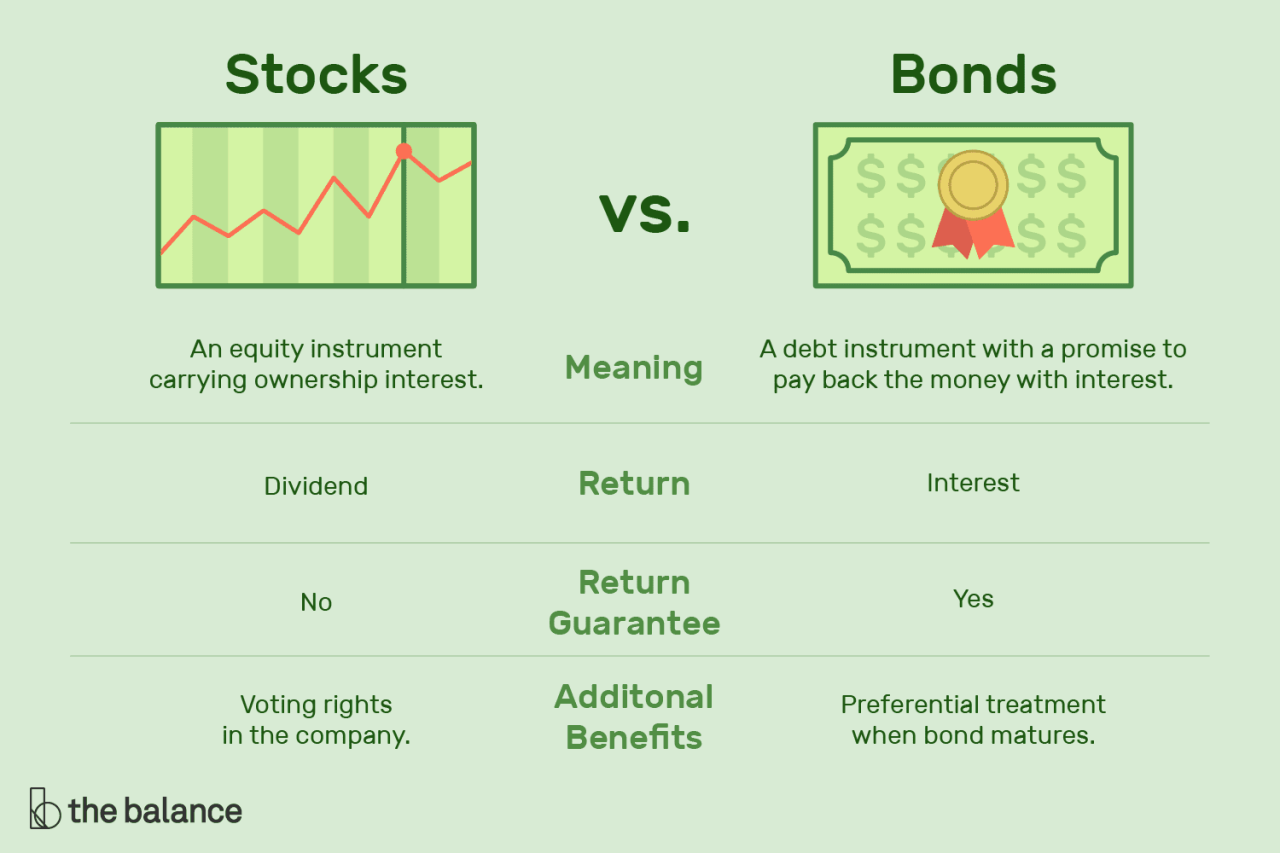
Investing in real estate properties offers a range of benefits that make it an attractive option for investors looking to diversify their portfolios and build wealth over time. Real estate investments have the potential to generate passive income through rental payments, provide opportunities for capital appreciation as property values increase, and offer a hedge against inflation. Additionally, real estate investments can provide tax advantages through deductions such as mortgage interest and property depreciation.
Types of Real Estate Investments
- Residential Real Estate: This includes single-family homes, condominiums, and multi-family properties that are rented out to tenants.
- Commercial Real Estate: This category encompasses office buildings, retail spaces, industrial properties, and other non-residential properties used for business purposes.
- Real Estate Investment Trusts (REITs): REITs are companies that own, operate, or finance income-generating real estate across a variety of sectors. Investors can buy shares in REITs to gain exposure to the real estate market without directly owning properties.
- Vacation Rental Properties: These properties are rented out to vacationers on a short-term basis and can be a lucrative investment in popular tourist destinations.
Evaluating Real Estate Investments
- Consider the location, neighborhood, and market trends to assess the potential rental income and property appreciation.
- Evaluate the condition of the property, including any necessary repairs or renovations, to determine the overall investment costs.
- Review the local rental market to understand demand, vacancy rates, and rental prices for similar properties in the area.
- Calculate the potential return on investment (ROI) by factoring in expenses such as property taxes, insurance, maintenance costs, and financing expenses.
The Role of Location in Real Estate
Location plays a crucial role in determining the value and desirability of real estate assets. Factors such as proximity to amenities, schools, transportation hubs, and employment centers can impact the demand for properties in a particular area. Additionally, market conditions, economic growth, and urban development projects can influence property values and rental rates. Investing in prime locations with strong growth potential can enhance the long-term appreciation and income-generating potential of real estate assets.
Renovation Tips
When embarking on a home renovation project, proper planning is essential to ensure a successful outcome. From budgeting wisely to making eco-friendly choices, here are some tips to guide you through the process.
Guidelines for Planning a Successful Renovation
- Start by defining your goals and priorities for the renovation.
- Create a detailed plan outlining the scope of work, timeline, and budget.
- Research and gather inspiration from design magazines, websites, and social media platforms.
- Consult with professionals such as architects or interior designers to help bring your vision to life.
Budgeting Tips to Avoid Overspending
- Set a realistic budget and include a contingency fund for unexpected expenses.
- Prioritize spending on essential structural improvements before focusing on aesthetic upgrades.
- Compare quotes from multiple contractors and suppliers to ensure competitive pricing.
- Consider DIY options for smaller projects to save on labor costs.
Sustainable and Eco-Friendly Renovation Practices
- Choose materials that are durable, energy-efficient, and environmentally friendly.
- Opt for low-VOC paints and finishes to improve indoor air quality.
- Install energy-efficient lighting fixtures and appliances to reduce utility bills.
- Consider incorporating renewable energy sources such as solar panels or geothermal heating.
Importance of Hiring the Right Professionals
- Research and vet potential contractors or tradespeople before hiring them for the project.
- Check for licenses, insurance, and references to ensure they are qualified and reputable.
- Communicate clearly with the professionals about your expectations and goals for the renovation.
- Trust their expertise and experience to guide you through the process and address any challenges that may arise.
In conclusion, understanding the nuances of real assets and bonds is crucial for making informed investment decisions, balancing risks and rewards effectively.
Answers to Common Questions
What is the main difference between real assets and bonds?
Real assets are tangible properties like real estate or commodities, while bonds are debt securities issued by governments or corporations.
Which investment option typically offers higher returns, real assets, or bonds?
Real assets generally have the potential for higher returns compared to bonds, but they also come with higher risks.
Are real assets more liquid than bonds?
No, bonds are typically more liquid as they can be easily bought and sold on the market, unlike real assets which may take longer to convert to cash.